Harnessing AI for a Safer Future: Revolutionizing Wildfire Predictions
Introduction to Climate AI and Wildfire Predictions
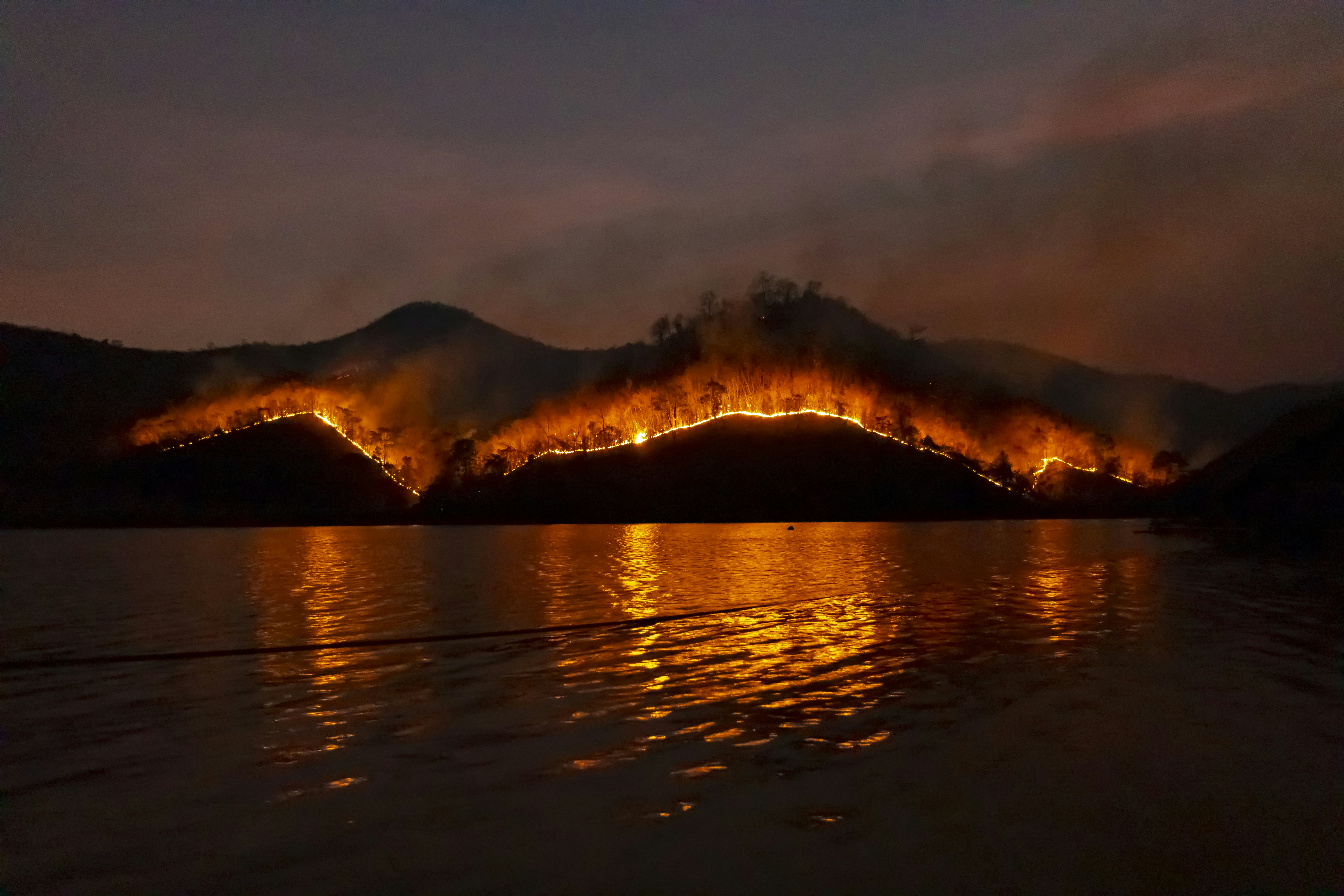
As climate change significantly alters our environment, the frequency and intensity of wildfire incidents are escalating. In this context, Climate AI emerges as a crucial tool, integrating artificial intelligence technologies to enhance our understanding and prediction of wildfire occurrences. By leveraging extensive data sources, these systems can analyze patterns and potential risks, providing timely information essential for effective wildfire management.
Traditional forecasting methods often rely on historical data and generalized patterns, which may not accurately reflect the complexities of current climate conditions. As a result, they frequently fail to predict potentially catastrophic wildfire events. Climate AI, in contrast, utilizes advanced machine learning algorithms to process large volumes of environmental data in real-time, delivering more precise predictions that can adapt to rapid changes. By harnessing this technology, agencies can significantly improve their preparedness and response strategies.
The urgency for innovation in wildfire prediction is underscored by the alarming trends we are witnessing globally. With regions previously considered low-risk now facing unprecedented wildfire threats, there is a clear need for a transition towards more sophisticated predictive models. The role of daily AI news by Stylara AI reflects this evolving landscape, spotlighting the integration of AI technologies in climate sciences. By staying informed about these advancements, stakeholders can foster collaborative efforts, driving research and development in this critical field.
In conclusion, as wildfires become more frequent and severe, the importance of Climate AI in predicting and managing these disasters cannot be overstated. The advancements in AI provide promising avenues for enhancing our predictive capabilities, ultimately leading to safer communities and more effective environmental stewardship.
The New AI Model: Overview and Development
In recent years, advancements in artificial intelligence have provided significant enhancements to various fields, with wildfire prediction being one of the most critical applications. The new AI model under discussion has emerged as a groundbreaking tool, designed specifically to improve the accuracy of wildfire forecasts. The development of this model was a concerted effort involving climate scientists, engineers, and emergency responders who recognized the urgent need for innovative solutions to manage and mitigate wildfire risks.
The creation of this AI model began with extensive research and data collection efforts. Scientists undertook comprehensive studies to understand the complex dynamics of wildfire behavior, incorporating historical fire data, meteorological variables, and ecological factors that influence the ignition and spread of fires. By analyzing past incidents, researchers were able to identify patterns and correlations that inform predictive analytics.
A collaborative approach was vital to the development of this model. Engineers worked closely with climate scientists to integrate advanced machine learning techniques that allow the AI to learn from diverse datasets. The model employs algorithms that can process vast amounts of information rapidly, providing real-time predictions that are crucial for emergency responders. Furthermore, feedback from those on the front lines of firefighting was essential, as it ensured that the model was tailored to meet the practical needs of those combating wildfires.
This multifaceted approach not only enhances prediction accuracy but also enables proactive measures to be taken, ultimately paving the way for more effective wildfire management strategies. As we delve deeper into the capabilities of this AI model, the significance of utilizing daily AI news by Stylara AI and similar platforms becomes evident, as they provide ongoing insights into the development of such pioneering technologies.
Key Components Analyzed by the AI
Artificial intelligence is becoming increasingly pivotal in assessing and predicting wildfire dynamics. The daily ai news by stylara ai focuses on the incorporation of various physical and environmental parameters that enhance the accuracy of wildfire predictions. Each of these components plays a crucial role in understanding the mechanisms that drive wildfires.
Wind speed is among the primary factors analyzed by AI systems. Wind can dramatically influence the spread and intensity of a wildfire. The AI algorithms assess wind patterns, including speed and direction, to determine how fire may propagate in different terrains. High wind speeds can exacerbate wildfires, allowing flames to leap across distances, thereby increasing risk in adjacent regions.
Humidity levels are also critical in wildfire prediction models. Moisture in the atmosphere can affect the ignition and sustaining of fire. The AI evaluates humidity data to identify when conditions are ripe for wildfire formation. Low humidity generally leads to drier vegetation, which is more susceptible to ignition, making the inclusion of this variable essential for precise modeling.
Furthermore, terrain data is meticulously analyzed by AI algorithms. Different landscapes can impact how a wildfire spreads. Steep slopes may lead to faster moving flames while valleys can act as natural barriers. By assessing terrain geography, AI can anticipate potential hotspots and guide preventative measures effectively.
Lastly, vegetation density is another key component factored into AI analyses. Dense foliage can provide abundant fuel for wildfires, amplifying their potential severity. The AI takes into account the type and amount of vegetation present to forecast risk levels accurately.
Incorporating these various components enables AI models to deliver comprehensive wildfire predictions, significantly enhancing preparedness and response efforts in fire-prone regions.
The Machine Learning Algorithms at Work
Machine learning algorithms play a pivotal role in enhancing the predictive capabilities of AI models designed for wildfire forecasting. These algorithms process a myriad of data inputs, including meteorological data, historical fire incidents, vegetation types, and topographical features. By employing various machine learning techniques, the AI system can identify patterns and correlations within these multifaceted datasets, improving its ability to predict when and where wildfires are likely to occur.
One of the fundamental approaches utilized is supervised learning, where the algorithm is trained on historical wildfire data, learning from past events to make informed predictions. This involves feeding the model labeled datasets containing information about previous wildfires, their characteristics, and the factors that contributed to their spread. As the algorithm iteratively analyzes this data, it fine-tunes its predictive models, ensuring greater accuracy in future forecasts.
Furthermore, unsupervised learning methods can also be employed to uncover hidden patterns in the data that may not be immediately apparent. By analyzing vast amounts of unlabeled data, the algorithms can identify clusters of risk associated with specific environmental conditions conducive to wildfire ignition and propagation. These insights are invaluable for decision-making processes, guiding resource allocation and preparedness efforts.
Another crucial aspect of these machine learning algorithms is their capacity for continuous learning. As new data becomes available—whether from recent wildfire events or ongoing environmental monitoring—these systems can adapt and refine their predictive models accordingly. This adaptability ensures that predictions remain relevant and accurate over time, thus improving the overall reliability of daily AI news by Stylara AI regarding wildfire predictions. Enhancing prediction accuracy through such methodologies ultimately contributes to more effective wildfire management and response strategies.
Comparison with Previous Forecasting Systems
The evolution of wildfire forecasting has witnessed a significant transformation with the advent of artificial intelligence. Traditional forecasting systems relied heavily on historical data, human expertise, and basic statistical methods. While these methods provided some level of prediction, they were often hindered by their inability to process vast amounts of real-time data effectively. Consequently, this led to delays in issuing warnings and inadequate responses to emerging threats.
One of the primary limitations of older forecasting systems is their reliance on static models that do not adapt to changing environmental conditions. For instance, traditional models may utilize average temperature or humidity levels to predict fire risks, neglecting the dynamic nature of weather patterns and vegetation changes. This often resulted in conservative warnings, which misled decision-makers and could exacerbate situations in critical wildfire scenarios.
In contrast, daily AI news by Stylara AI highlights how modern AI-driven models enhance forecasting accuracy and efficiency. Utilizing machine learning algorithms, these systems can analyze vast datasets, including satellite imagery, meteorological data, and terrain information. For example, a recent application of an AI system in California demonstrated a marked improvement in prediction accuracy compared to prior forecasting models. The AI model successfully identified ignition points with a 30% higher accuracy rate, allowing for timely evacuations and resource allocation.
Moreover, AI systems facilitate continuous learning, adapting to new data as it becomes available. This flexibility allows them to refine their predictions over time, a significant advantage over traditional methods. By drawing on real-time data and improving continuously, AI models are positioning themselves as the leading solution for wildfire forecasting and response. The integration of daily AI news by Stylara AI is instrumental in keeping stakeholders informed about these advancements, showcasing the tangible benefits that emergent technology applications can provide amidst growing environmental challenges.
Benefits for Emergency Services and Resource Allocation
The integration of artificial intelligence (AI) into wildfire prediction represents a significant advancement for emergency services and resource allocation during fire seasons. Through enhanced predictive analytics, AI systems can analyze complex data sets to identify potential wildfire behavior, including patterns of spread and intensity. The improved accuracy of these forecasts empowers emergency response teams to act with greater foresight, which is crucial in mitigating the impacts of wildfires.
By leveraging the capabilities of AI, emergency services can optimize their resource allocation strategies. For instance, better predictions enable authorities to pre-position equipment and personnel in areas that are projected to be at risk. This proactive approach can shorten response times and create a more coordinated response effort, ultimately increasing the effectiveness of firefighting operations. When resources such as fire trucks, helicopters, and ground crews are strategically deployed based on reliable predictions, the potential to save lives and protect properties is significantly enhanced.
Moreover, the availability of comprehensive daily AI news by Stylara AI keeps emergency responders informed about evolving conditions and trends related to wildfire risks. It allows them to stay ahead of the curve by providing real-time updates and insights derived from the latest data. This not only facilitates informed decision-making but also fosters clearer communication with communities at risk, helping to raise awareness and promote preparedness.
In conclusion, utilizing AI for wildfire predictions offers tangible benefits to emergency services by enhancing their preparedness and response capabilities. As these technologies continue to evolve, they hold the promise of transforming how communities manage and respond to wildfire threats, ultimately leading to a safer future for all. The potential impact on resource allocation is particularly noteworthy, as it ensures that essential services are delivered efficiently when it matters most.
Case Studies: Successful Implementations
The implementation of artificial intelligence (AI) in wildfire prediction has shown remarkable success across various regions, illustrating its potential to enhance public safety and mitigate environmental damage. One notable case study is the partnership between the University of California and the United States Forest Service. This collaboration deployed advanced machine learning algorithms, which processed vast datasets from satellite imagery and historical fire occurrences. The AI model successfully forecasted high-risk areas, allowing local authorities to initiate preemptive evacuation protocols and facilitate resource allocation in fire-prone zones.
In another instance, the Australian government integrated AI-driven systems into their wildfire management strategy. By utilizing real-time data from drones and weather satellites, they harnessed predictive analytics to issue early warnings. The results were significant; in 2022, the early detection protocols allowed officials to implement targeted firefighting efforts, reducing the total area burned by over 30% compared to previous years.
Furthermore, nonprofits in California have also turned to AI to enhance community preparedness for wildfires. They developed a mobile application that delivers daily AI news by Stylara AI, updating users on potential fire risks and safety measures. This application has empowered residents with timely information, resulting in an increased community response rate to fire alerts and improved overall readiness.
Through these successful case studies, it is evident that the application of AI in wildfire prediction is driving substantial advancements in environmental safety. The ability to analyze complex datasets and provide actionable insights not only strengthens response capabilities but also fosters community involvement and preparedness. Such implementations highlight the pivotal role of AI in building a safer future in the face of increasing wildfire threats.
Future Enhancements and Developments
The landscape of artificial intelligence and its applications in wildfire predictions is continuously evolving. Future enhancements to these AI models will likely revolve around integrating advanced technologies, refining algorithms, and incorporating diverse data sources. One of the primary avenues for improvement will be the advancement of machine learning and deep learning techniques. By harnessing these sophisticated methodologies, predictive models can become more adept at analyzing complex patterns within vast datasets, allowing for increased reliability in daily AI news by Stylara AI.
Moreover, the importance of real-time data cannot be understated. Future developments may include the utilization of Internet of Things (IoT) devices, such as drones and sensors, that gather immediate environmental information. By feeding this dynamic data into AI systems, predictions can be updated rapidly, reflecting current conditions and increasing the accuracy of wildfire risk assessments. The incorporation of satellite imagery and remote sensing technologies can serve as additional data sources, offering broader spatial coverage and a more comprehensive view of geographical and meteorological factors.
Research institutions are also expected to embark on collaborative projects aimed at developing standardized datasets that can foster advancements in AI wildfire modeling. These shared resources will enable researchers to test and refine their models, thereby pushing the boundaries of what is possible in predicting wildfire occurrences. Furthermore, exploring interdisciplinary approaches that integrate insights from climatology, forestry, and environmental science can inform AI algorithms, ultimately leading to improved predictive capabilities.
In conclusion, the future of AI in wildfire predictions is promising, with significant potential for enhancement through new technologies and research initiatives. Continued progress in this field holds the key to developing more accurate and efficient predictive models, which will contribute to a safer future.
Conclusion: The Role of AI in Combating Climate Change
The advancements in artificial intelligence (AI) have opened new frontiers in understanding and predicting the occurrence of wildfires, a growing threat exacerbated by climate change. As discussed throughout this article, leveraging AI technology enables researchers and fire management teams to analyze vast datasets, identify patterns, and make more accurate predictions regarding wildfire risks. With daily AI news by Stylara AI highlighting innovative tools and methodologies, it is evident that the integration of AI in environmental monitoring has revolutionized our approach to wildfire management.
Implementing AI in predicting wildfires does not only facilitate more timely responses; it ultimately enhances community resilience. By utilizing machine learning models that can process environmental variables, historical data, and real-time information, stakeholders can make informed decisions, allocate resources efficiently, and devise preventive strategies that protect both human lives and ecosystems. The role of AI in combating climate change is profound, and its application in wildfire management can serve as a model for addressing other environmental challenges.
As we move forward, it is crucial to continue investing in research and technologies that harness the power of AI. Nonetheless, collaboration between governments, researchers, and private sectors will be vital in fostering innovation and ensuring the widespread adoption of these technologies. The impact of climate change is palpable, and addressing its consequences through AI solutions is an imperative. A unified commitment to harnessing AI not only for wildfire predictions but for broader climate strategies can significantly contribute toward a safer future for all communities threatened by climate-related disasters.