Space AI: Revolutionizing Satellite Collision Prevention in Low Earth Orbit
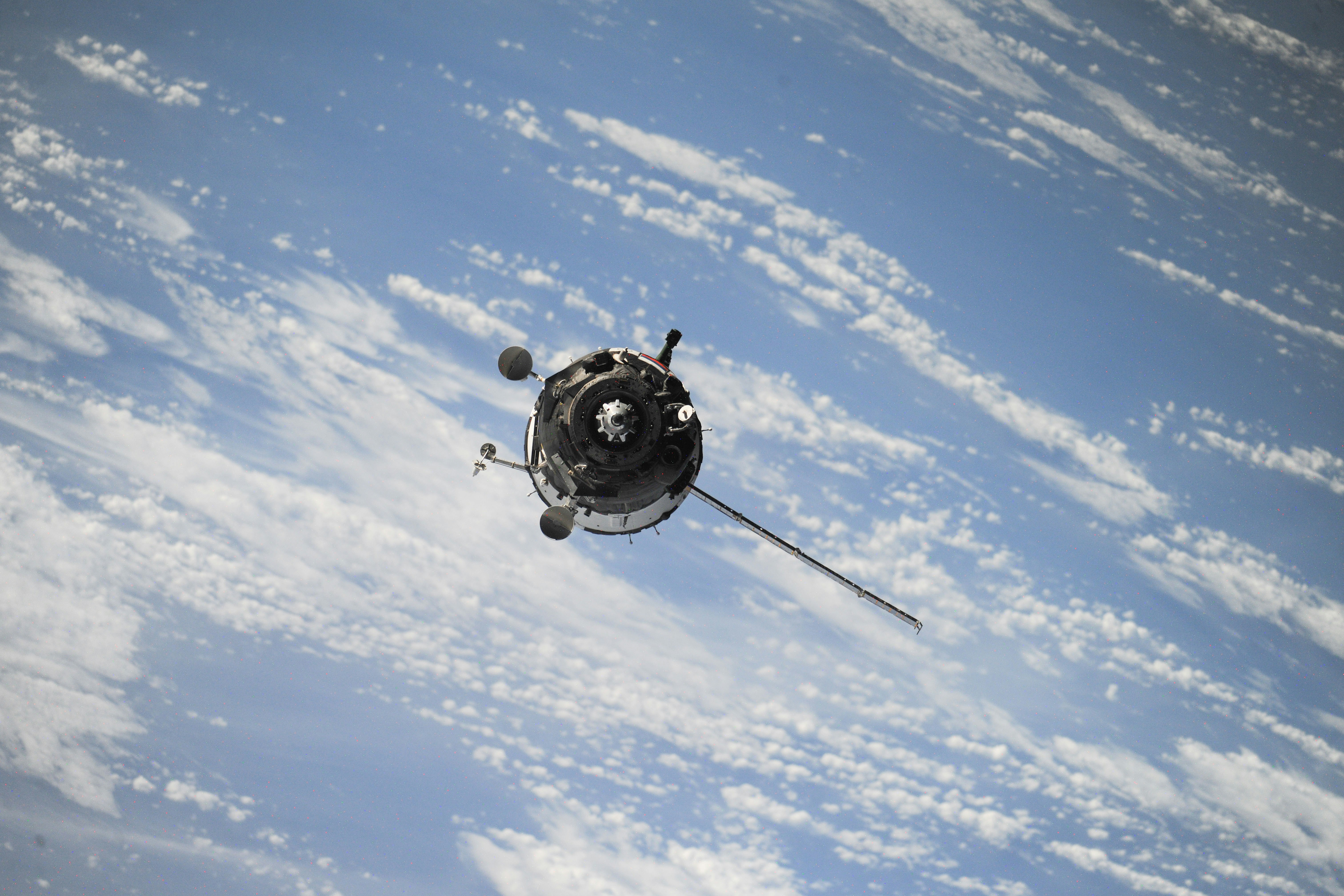
Introduction to Space Traffic Management
The concept of space traffic management is becoming increasingly crucial as the number of satellites in low Earth orbit (LEO) continues to rise. In recent years, the global interest in satellite technology has surged, leading to a remarkable increase in the deployment of various types of satellites. These range from communication and weather observation satellites to those dedicated to scientific research and navigation. As a result, the environment in LEO is becoming increasingly crowded and complex.
Alongside this rapid expansion, there is a growing concern regarding the potential for collisions between satellites. Even a small fragment from an existing satellite can cause significant damage to operational satellites, due to the incredibly high velocities at which these objects travel. Consequently, satellite operators and regulatory authorities are faced with the critical challenge of managing space traffic effectively to mitigate these risks.
To address this concern, there is an urgent need for enhanced monitoring systems that can track the increasing population of objects in orbit. Current tracking technologies must be improved or supplemented, as traditional systems might not adequately capture the dynamics of this busy space environment. The integration of advanced technologies, including artificial intelligence, is emerging as a pivotal solution to revolutionize space traffic management. AI can provide significant enhancements in predicting potential collision events, enabling timely interventions and more efficient coordination among various stakeholders.
Ultimately, the focus on space traffic management will not only safeguard existing assets but will also facilitate the sustainable growth of the satellite industry. As the space environment becomes more congested, it is essential to implement strategies and technologies that enable safe coexistence, thereby ensuring that the benefits of space exploration and utilization can continue to expand in a responsible manner.
The Role of Artificial Intelligence in Collision Prevention
Artificial Intelligence (AI) is playing an increasingly pivotal role in the realm of satellite collision prevention, particularly in low Earth orbit (LEO), where the density of satellites has significantly increased. At the core of AI’s application in this field lies its ability to analyze vast amounts of data and learn from it, allowing for improved tracking and prediction of satellite trajectories. AI technologies, such as machine learning, are integral in identifying potential collision threats and optimizing evasive maneuvers.
Machine learning, a subset of AI, enables systems to learn from historical data. By processing previous satellite movements and collision incidents, machine learning algorithms can identify patterns and predict future trajectories with remarkable accuracy. This predictive capability is crucial, as it allows operators to anticipate potential collisions well in advance, thereby giving them ample time to implement avoidance strategies.
Data analysis is another vital component of AI in collision prevention. Satellites generate an enormous amount of telemetry data that, when processed using AI techniques, can reveal significant insights into their positions and movements. Advanced data analytics can help flag anomalies or unexpected behaviors in satellite trajectories, prompting further investigation and timely interventions if necessary. Additionally, AI systems can enhance the efficiency of data collection from multiple sources, including ground-based radar and space-based sensors, creating a comprehensive picture of the satellite environment.
As the operation of satellites becomes more complex due to the increasing number of objects in space, the integration of AI technologies becomes essential. They not only enhance the safety of satellite operations by reducing the risk of collisions but also streamline the decision-making processes involved. In summary, the use of AI for satellite collision prevention stands as a testament to innovation in space management, promising a safer future in the increasingly crowded expanse of space.
Overview of the AI-Powered Orbital Monitoring System
The recently deployed AI-powered orbital monitoring system represents a significant advancement in satellite collision prevention technology for spacecraft operating in low Earth orbit (LEO). Traditional methods of tracking satellites primarily rely on ground-based radar and telescopes, which can lead to limitations in real-time data acquisition and processing. The introduction of an AI-driven approach enhances the capability to monitor and predict potential collisions more accurately and efficiently.
This innovative system is built upon a multi-layered architecture that combines machine learning algorithms with extensive databases of satellite trajectories. It utilizes data collected from various sources, including existing satellite operations and observational data from multiple sensors. By processing this data, the AI system identifies potential collision scenarios in near real-time, allowing for proactive maneuvers to be executed if necessary.
One of the distinguishing features of this AI-powered monitoring system is its ability to learn from historical data. It applies deep learning techniques to improve its predictions over time, continually refining its models based on new observations and outcomes. This self-learning capacity contrasts with traditional systems that remain static and rely on pre-defined parameters. Additionally, the AI system significantly reduces the dependence on manual oversight, thus optimizing the time taken to assess potential collision risks.
Moreover, this orbital monitoring solution includes advanced visualization tools that enhance user experience. Operators can interact with a dynamic display showcasing satellite positions, trajectories, and predicted collision paths. By integrating such cutting-edge technology, this system not only increases the accuracy of satellite tracking but also contributes to the overall safety and sustainability of operations in the increasingly congested LEO environment.
Real-Time Trajectory Analysis: How It Works
Real-time trajectory analysis is a fundamental aspect of satellite collision prevention systems that rely on advanced artificial intelligence. This process begins with the collection of extensive data from various sources. Satellites continuously transmit positional information, which is then supplemented by ground-based radar and other tracking technologies. These data sets provide the necessary input for understanding the current trajectory of each satellite in low Earth orbit.
Once the data is collected, the next step involves processing this information to create a comprehensive model of the satellite environment. The AI system utilizes complex algorithms that analyze the trajectories of both active satellites and defunct objects, including space debris. This stage is critical, as it establishes a baseline from which predictions can be made about potential collisions.
To predict possible encounters, the AI employs predictive analytics that calculates the probability of collision by evaluating variables such as speed, direction, and altitude. Advanced machine learning techniques are utilized to improve the algorithm’s efficiency over time, allowing it to adapt to new data and scenarios. The algorithms can factor in the gravitational effects of nearby celestial bodies and atmospheric drag, significantly refining the collision prediction accuracy.
Importantly, the AI system processes data in real-time, which means it is constantly updating its forecasts based on new positional information. This dynamic nature allows for timely alerts to satellite operators, enabling them to execute necessary maneuvers to avoid potential collisions. By filtering through vast amounts of data rapidly, the AI realizes a high degree of accuracy in collision prediction, making it an invaluable tool in modern space operations.
Alerts and Operator Notifications: A Safety Net
In the realm of satellite operations within low Earth orbit (LEO), the significance of effective alert systems cannot be overstated. These alert systems function as a crucial safety net, designed to inform satellite operators about potential collision threats. Given the increasing congestion in LEO, where numerous satellites coexist, timely notifications enable operators to take preventive actions against possible disasters.
Alerts are primarily generated through sophisticated tracking algorithms that analyze the trajectories of various objects in orbit, leveraging a wealth of data collected from ground-based radar and space surveillance networks. When the system identifies a risk of collision between two or more objects, it triggers a notification process. The parameters for these alerts are meticulously defined, taking into account factors such as the proximity of the objects, their size, speed, and any relevant changes in their orbits. A collision avoidance alert is typically issued when the probability of collision exceeds a specified threshold, highlighting the critical nature of real-time monitoring.
Upon receiving an alert, satellite operators are equipped with predefined protocols to respond effectively. They may initiate maneuvers to alter the satellite’s trajectory, thereby mitigating the risk of collision. Additionally, operators often communicate with relevant stakeholders, such as other operators and relevant space agencies, to coordinate actions and ensure comprehensive responses to potential threats. The integration of Artificial Intelligence (AI) into these systems is further enhancing the speed and accuracy of alerts, allowing for more proactive measures in safeguarding satellites.
As the satellite population evolves, so too must the alert mechanisms. Continuous improvements in data analytics, predictive modeling, and operator training programs are essential. By prioritizing the enhancement of alert systems, the field of satellite operations can significantly mitigate collision risks, ensuring a safer environment in the increasingly crowded space of low Earth orbit.
Impact of Increased Space Traffic on Satellite Operations
The advent of increased space traffic, primarily due to the proliferation of satellites in low Earth orbit (LEO), has raised significant concerns regarding satellite operations and safety. The exponential growth of satellite constellations, particularly those aimed at global internet coverage, has introduced complexities in space traffic management. A congested orbital environment poses heightened risks for operational satellites, necessitating enhanced safety protocols.
Case studies illustrate the potential hazards linked to this increasing traffic. For instance, in 2020, two communications satellites had a near miss, with a calculated probability of collision that warranted evasive maneuvers. This incident exemplifies how close encounters can disrupt not just the individual satellite operators’ plans but also potentially jeopardize the entire orbital environment due to resultant space debris. Such debris may remain in orbit for years, escalating the risk of further collisions.
The economic implications of satellite collisions are substantial. A single collision can destroy millions in assets and lead to significant recovery costs, impacting not only the involved parties but the broader space economy as well. In addition, the potential for increased insurance premiums for satellite operations due to the higher risk of collision can deter new market entrants and stunt innovation in satellite technology.
Moreover, the operational risks extend beyond financial implications. Collisions can disrupt essential services reliant on satellite technology, including telecommunications, navigation, and Earth observation. The challenge of adequately predicting and managing collision risks underscores the urgency for improved space traffic management systems. In light of these concerns, efforts are underway to develop and implement advanced artificial intelligence (AI) solutions aimed at improving collision prevention strategies and enhancing the safety of satellite operations in increasingly crowded orbits.
Future Developments in Space AI Technology
The evolution of artificial intelligence (AI) is transforming numerous sectors, and space exploration is no exception. As we look ahead, the integration of AI in satellite collision prevention systems is anticipated to advance at a remarkable pace. One of the key developments will be enhanced predictive capabilities, where AI algorithms will be able to analyze vast amounts of space data in real-time. This will allow for more accurate forecasting of potential collisions in low Earth orbit, significantly improving the decision-making processes for satellite operators.
Furthermore, advancements in machine learning and deep learning techniques are expected to play a pivotal role in refining these predictive models. By leveraging historical data and continuously learning from new satellite behaviors and trajectories, AI systems will be able to generate increasingly precise predictions. As a result, operators may receive systemic alerts well in advance, enabling timely corrective actions to avert possible collisions.
In addition to predictive enhancements, future Space AI technology will likely see improved integration with other space traffic management systems. The collaboration between different systems and agencies is essential for a comprehensive approach to space safety. As these AI systems collect and share data, they could work in concert with existing space monitoring institutions, thereby creating a holistic view of the orbital environment. This interconnected framework will empower satellite operators with unprecedented situational awareness, allowing for proactive collision avoidance strategies.
Ultimately, these advancements in Space AI technology will not only mitigate collision risks but also optimize satellite operations and enable more sustained, safe space exploration. As AI continues to evolve, the future of satellite mission success and the safety of low Earth orbit will undoubtedly be shaped by these revolutionary technologies.
Artificial intelligence (AI) offers substantial promise for monitoring and predicting satellite trajectories in low Earth orbit (LEO); however, several challenges must be addressed to harness this potential effectively. One of the primary technical limitations is the complexity of accurately modeling the behavior of various space objects. The dynamics of LEO are influenced by numerous factors, such as gravitational forces from Earth and other celestial bodies, atmospheric drag, and solar radiation pressure. These variables can complicate trajectory predictions, making it difficult for AI algorithms to provide real-time, reliable information about potential collisions.
Data integrity issues pose another significant hurdle in AI-based space monitoring systems. The precision and reliability of AI models largely depend on the quality of data fed into them. In the realm of space observation, tracking data may suffer from inaccuracies due to sensor limitations, atmospheric interference, or transmission errors. Without high-fidelity data, AI-generated predictions can be misleading, thereby undermining the purpose of implementing AI for collision avoidance. Efforts to enhance tracking technologies and develop infrastructure that supports robust data collection are crucial for mitigating this problem.
Moreover, the need for international cooperation among space-faring nations cannot be overstated. As the number of satellites in LEO continues to grow, so does the probability of collisions. While AI can optimize collision avoidance strategies, its efficacy hinges on collaboration among countries and organizations involved in space activities. This includes sharing tracking data, establishing universal norms for satellite maneuvering, and creating joint initiatives aimed at improving safety standards in LEO. A unified approach not only helps in overcoming individual nation-specific constraints but also enhances the overall safety and sustainability of space operations worldwide.
Conclusion: The Way Forward for Space Traffic Management
As the field of space exploration continues to expand, the importance of artificial intelligence in satellite collision prevention cannot be understated. With an increasing number of satellites launched into low Earth orbit, the risk of collisions rises, threatening not only the missions of individual satellites but also the stability of the entire orbital environment. Implementing AI technologies offers an innovative solution to this growing challenge, enabling the real-time analysis of satellite trajectories, predicting potential collision scenarios, and facilitating timely interventions.
The application of AI in space traffic management is forging a path toward enhanced safety and sustainability in outer space. Such AI-driven systems enhance predictive capabilities, significantly reducing the likelihood of collisions by allowing operators to make informed decisions based on comprehensive data analytics. The continuous development and deployment of these technologies not only aim to safeguard existing satellites but also contribute to the creation of a more organized and systematic approach to managing the increasing density of space traffic.
Looking forward, the field of space traffic management must prioritize ongoing innovation. The integration of machine learning algorithms and advanced computational models can lead to a more proactive stance in dealing with the complexities of satellite navigation. In this context, fostering collaboration among governmental agencies, private companies, and international organizations is critical to establishing standardized protocols and sharing crucial data. This collaborative effort will ensure the sustainable use of outer space, allowing future generations to benefit from the rich resources it offers while mitigating the hazards posed by congestion in low Earth orbit.