Exploring AI’s Transformative Role in Hospitality Post India AI Impact Summit
Introduction to AI in Hospitality
The hospitality industry has witnessed a substantial transformation in recent years, largely driven by advancements in artificial intelligence (AI). From enhancing customer service to optimizing operational efficiency, AI plays a crucial role in the evolution of hotels and resorts. The insights shared during the India AI Impact Summit underscore the importance of integrating AI technologies in the hospitality sector.
AI applications in hospitality are growing at an unprecedented rate. Hotels are now utilizing AI-driven systems to streamline check-in processes, personalize guest experiences, and manage room bookings more effectively. Moreover, AI technologies such as chatbots and virtual assistants actively facilitate communication between guests and hotel staff, ensuring prompt responses to inquiries. These innovations not only enhance customer satisfaction but also contribute to increased operational efficiency.
The insights shared at the India AI Impact Summit highlighted several key trends and technologies reshaping the hospitality landscape. Machine learning algorithms, for instance, analyze vast amounts of data to predict customer preferences and trends. By employing predictive analytics, hotels can tailor their services to meet the specific needs of guests, creating a more personalized experience that encourages repeat visits. Additionally, advancements in AI-powered analytics provide valuable insights into market trends, enabling hotels to adapt their strategies to remain competitive.
As AI continues to evolve, its applications in hospitality are expected to expand further, promoting a more connected and responsive guest experience. The integration of these technologies illustrates AI’s significance in the hospitality realm, as it not only enhances service quality but also drives business growth. With daily AI news by Skylord highlighting these developments, it is essential for industry professionals to stay informed and adapt to this rapidly changing landscape.
Key Insights from the India AI Impact Summit
The India AI Impact Summit provided a comprehensive platform for industry experts to explore the transformative influence of artificial intelligence (AI) within the hospitality sector. One of the primary discussions centered on the integration of advanced AI technologies and their implications for operational efficiency, customer experience, and overall industry growth. Stakeholders shared insights on how daily AI news by Skylord serves as a critical resource for staying updated on relevant advancements, thereby enabling hotels and service providers to remain competitive in a swiftly evolving environment.
Among the key takeaways was an emphasis on personalized customer experiences driven by AI applications, such as chatbots and recommendation systems. These tools enhance service delivery by collecting and analyzing customer data, allowing businesses to tailor their offerings to individual preferences. Experts noted that organization-wide utilization of AI could lead to improved customer satisfaction and loyalty, ultimately driving revenue growth for hospitality businesses.
Another significant focus of the summit was the adoption of AI for streamlining operations. Automated systems were discussed, highlighting how they can optimize processes from booking management to inventory control. Attendees explored case studies showcasing successful AI implementations that have led to reduced costs and improved operational agility. This discussion reaffirmed the growing consensus that technology and innovation are critical to the future of hospitality, resonating strongly with professionals eager to adapt.
Furthermore, the summit addressed the ethical considerations that come with deploying AI in sensitive environments such as hospitality. Experts stressed the importance of ensuring transparency and fairness in AI algorithms, as well as safeguarding customer data. The importance of ethical considerations was underscored in the context of ongoing daily AI news by Skylord, calling for heightened awareness in the industry.
Overall, the insights gathered from the India AI Impact Summit provide a clear vision for the future of hospitality, emphasizing the necessity of embracing technological advancements while remaining committed to ethical practices.
Dynamic Pricing Systems
Dynamic pricing systems have emerged as a significant advancement in the hospitality industry, leveraging artificial intelligence (AI) to optimize pricing strategies for hotels. These systems enable establishments to adjust their rates in real-time based on various factors, including fluctuations in demand, local events, and competitors’ pricing strategies. The integration of AI into pricing systems allows for enhanced responsiveness and adaptation to market conditions, ultimately leading to improved financial performance.
For instance, during peak tourist seasons or significant local happenings, such as festivals or conferences, AI algorithms analyze historical data and current booking trends to determine optimal price points. As demand increases, prices can be elevated accordingly, maximizing revenue without dampening potential customer interest. Conversely, if a sudden drop in demand occurs, the system can automatically lower prices to remain competitive, ensuring that inventory does not go unsold.
Implementing daily AI news by Skylord and utilizing sophisticated dynamic pricing strategies not only facilitates increased revenue for hotels but also enhances overall inventory management. This is achieved by balancing supply and demand more effectively and minimizing the risk of overbooking or revenue loss. With insights gleaned from data analytics, hotels can forecast occupancy rates more accurately, allowing them to plan and allocate resources efficiently.
Moreover, the benefits of dynamic pricing extend beyond financial gains. It enhances the guest experience by providing varied pricing options that cater to different budget ranges; thereby, attracting a broader clientele. Research shows that strategic pricing adjustments can lead to higher occupancy rates and customer satisfaction, underscoring the importance of embracing AI-driven solutions. As the hospitality industry continues to evolve, the implementation of advanced dynamic pricing models will likely play an integral role in competitive positioning and operational efficiency.
Predictive Revenue Management
Predictive revenue management is an essential strategy for hotels, leveraging the power of AI analytics to enhance financial performance and operational efficiencies. By employing sophisticated algorithms and comprehensive data analysis, hotels can create accurate forecasts regarding occupancy rates and demand trends. This capability allows hospitality businesses to make informed decisions that directly influence their revenue outcomes.
The foundation of predictive revenue management lies in its ability to analyze large datasets, including historical booking information, market trends, and seasonal fluctuations. AI technologies can sift through these myriad data points to uncover patterns that human analysts might overlook. For instance, hotels can utilize this data to predict peak occupancy periods, enabling them to adjust their pricing strategies accordingly. Through dynamic pricing models, properties can optimize their room rates in real-time, ensuring they remain competitive while maximizing revenue.
Moreover, predictive analytics significantly improves forecasting accuracy. Rather than relying on static pricing models or outdated historical data alone, AI tools factor in various scenarios, informing hotel managers about potential future market conditions. This predictive capability is crucial in an industry characterized by its volatility and rapidly changing consumer preferences. By utilizing techniques from daily AI news by Skylord, hotel operators can stay informed about advances in predictive analytics and implement cutting-edge technologies that continuously refine their revenue management practices.
Incorporating AI into predictive revenue management not only enhances pricing strategies but also enables hotels to allocate their resources more effectively. For instance, insights derived from AI analytics can guide staffing decisions and inventory management, further contributing to a hotel’s bottom line. The integration of these AI-driven tools marks a significant advancement in hospitality management, with the potential to revolutionize how properties approach their revenue generation strategies.
Smart Energy Optimization
In the ever-evolving landscape of hospitality, integrating smart energy optimization through artificial intelligence (AI) plays a pivotal role. The application of AI algorithms enables hospitality establishments to comprehensively monitor and manage energy consumption, thereby fostering more sustainable practices. With energy costs continuously rising, it becomes imperative for such establishments to adopt innovative solutions that not only streamline operations but also contribute to environmental sustainability.
AI-driven technologies facilitate real-time data analysis, allowing hotels, restaurants, and resorts to gain insights into their energy usage patterns. This capability helps identify peak consumption times and areas of excessive energy use, which can be addressed to mitigate waste. For instance, AI can predict occupancy levels and adjust heating, ventilation, and air conditioning (HVAC) systems accordingly, ensuring that energy is directed precisely where it is needed without unnecessary expenditure.
Moreover, the integration of smart devices equipped with AI capabilities enhances the monitoring of energy metrics. For example, smart thermostats and intelligent lighting systems adjust automatically based on occupancy and external conditions, further optimizing energy use. This not only lowers energy costs but also minimizes the environmental footprint of hospitality operations. Such smart technologies empower establishments to make data-driven decisions related to energy management, ultimately, ensuring that they remain competitive in the hospitality market.
By leveraging daily AI news by Skylord and advancements in smart energy optimization, players in the hospitality sector can achieve significant operational efficiencies. With ongoing innovation and a surge in AI applications, the future of energy management looks promising. An integrated approach towards energy optimization solidifies the hospitality industry’s commitment to sustainability while simultaneously enhancing guest experiences through improved comfort and efficiency.
Personalization of Guest Experience
The integration of Artificial Intelligence (AI) in the hospitality sector is transforming the way hotels and service providers enhance guest experiences. One of the significant advancements stemming from this technology is the ability to offer personalized services tailored to individual preferences, which in turn bolsters guest satisfaction and loyalty. Utilizing data analytics, AI systems can analyze guests’ historical preferences and behaviors, allowing hotels to deliver tailored recommendations and experiences that align closely with their desires.
For instance, when a guest books a room, AI can suggest specific amenities or experiences based on past stays. If a particular guest has shown a preference for spa services, the hotel can proactively offer a discount on spa packages upon their arrival. This level of personalization not only elevates the guest experience but also fosters a sense of recognition, making returning guests feel valued and appreciated.
Moreover, AI algorithms used in daily ai news by Skylord can monitor guest interactions and feedback, enabling continuous optimization of services. When guests express preferences for certain room features, dining options, or local activities, these insights can be harnessed to customize future offers. For example, if multiple guests at a hotel indicate a fondness for local cuisine, the establishment might increase its focus on promoting nearby restaurants or even incorporating local dishes into its menu.
Another fascinating application of AI in personalization is through virtual concierges. These AI-driven platforms interact with guests in real-time to provide recommendations and answer queries, shaping a tailored experience from check-in to check-out. Ultimately, by integrating AI-driven personalization strategies, hospitality providers not only uplift their service quality but also maintain a competitive edge in an ever-evolving market.
Balancing Technology and Human Interaction
The integration of AI technologies in the hospitality industry has undoubtedly impacted operational efficiencies and customer experiences. However, while embracing innovations such as chatbots, predictive analytics, and automated systems, it remains critical to balance technology with essential human interaction. Hospitality is inherently a people-centric industry, and the emotional intelligence and nuanced service provided by human staff cannot be replaced by algorithms or AI systems.
Employees in the hospitality sector bring a level of empathy and understanding that is crucial in addressing guests’ needs and preferences. For instance, while AI can assist in providing recommendations based on previous bookings, it is the human staff who can gauge nuanced emotional responses and offer personalized services that resonate with the guests. This human touch is what often differentiates exceptional service from merely satisfactory service.
The role of human interaction gains even more significance in the context of fostering relationships and building loyalty among guests. While daily ai news by skylord may highlight advancements in AI technologies, these innovations should complement, not replace, the personal connections that create memorable experiences. Ideally, an effective hospitality strategy should leverage AI’s data-driven insights to enhance service delivery, while simultaneously empowering staff to engage empathically with guests.
Furthermore, training staff to use AI tools effectively while preserving their unique human qualities is essential. When employees are equipped with AI-driven resources, they can focus more on what truly matters—building rapport, resolving issues, and ensuring guest satisfaction. Thus, the successful operation of a hospitality establishment in the age of AI lies in recognizing the value of human interaction, even as technology plays a transformative role in enhancing those interactions.
Challenges in Implementing AI Solutions
The integration of artificial intelligence (AI) within the hospitality sector has the potential to enhance operational efficiency and improve customer experience. However, several challenges can hinder the effective implementation of AI solutions in hotels. One of the primary obstacles is resistance to change among staff and management. Many employees may feel threatened by automation, fearing job displacement or reduced responsibilities. This resistance can lead to a lack of enthusiasm for adopting new technologies, ultimately impeding the successful deployment of AI tools.
Another significant challenge is the substantial initial investment required for implementing AI solutions. Hotels must grapple with the costs associated with AI technology, which can include purchasing advanced software, upgrading hardware, and investing in training for personnel. For smaller establishments with limited budgets, these expenses can be particularly daunting. Therefore, financial constraints may lead some hotel operators to postpone or entirely abandon plans for integrating AI systems.
Data privacy and security concerns also pose a considerable barrier to the adoption of AI in hospitality. With the implementation of AI tools often comes the collection and analysis of vast amounts of sensitive customer data. Many hotel owners worry about the potential for data breaches and the implications these could have for their guests. In light of increasing regulations surrounding data protection, such as the General Data Protection Regulation (GDPR), hotels must navigate a complex landscape to ensure compliance while harnessing the full potential of AI.
In conclusion, while AI offers numerous benefits for the hospitality industry, hotels must address the challenges of resistance to change, high initial investment costs, and concerns about data privacy and security to realize its advantages fully. Understanding and mitigating these challenges can pave the way for a smoother transition into an AI-driven future in hospitality.
Future Trends in AI for Hospitality
As the hospitality industry continues to evolve in response to advancements in technology, the role of artificial intelligence (AI) is becoming increasingly significant. The insights gathered from the India AI Impact Summit have opened avenues for future developments, emphasizing a transformative journey ahead for hotels and related services. Among the most anticipated trends is the integration of machine learning algorithms to enhance service personalization. By analyzing guest data, AI can predict preferences and adjust the guest experience accordingly, offering everything from customized room settings to tailored dining options.
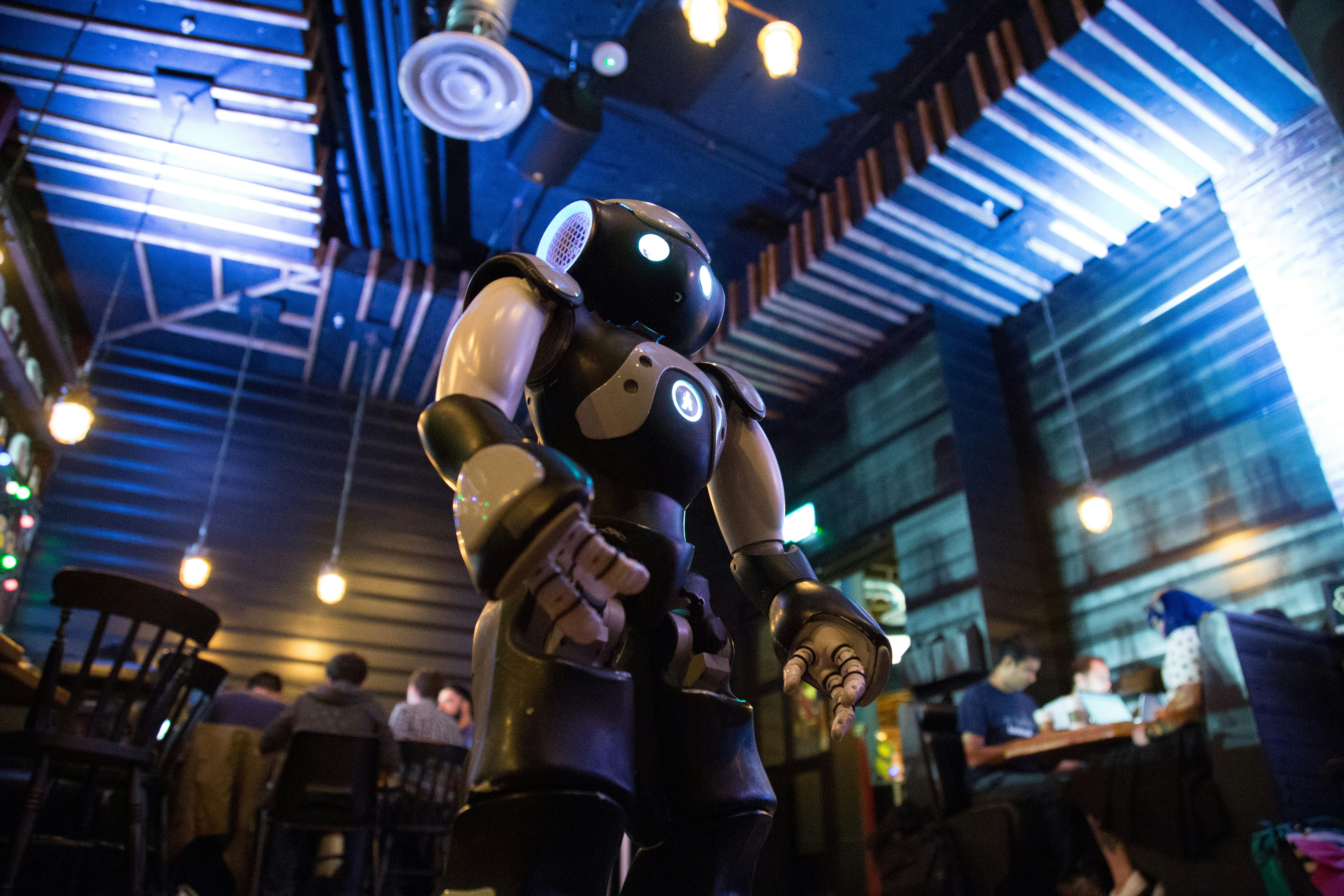
Additionally, robotics is poised to play a larger role in operational efficiency. Robots for tasks such as room service, cleaning, and even concierge functions could reshape the traditional staffing model, allowing human employees to focus on higher-value interactions with guests. Tools that leverage natural language processing for real-time communication can ensure that queries are resolved swiftly, facilitating a seamless experience for all visitors. This could significantly reduce wait times and improve overall satisfaction.
Another innovative trend includes the deployment of AI-driven predictive analytics for operational management. By analyzing historical data and current trends, hotels can forecast demand more accurately, optimize pricing strategies, and better allocate resources. Furthermore, augmented reality (AR) combined with AI could transform marketing strategies, enabling hotels to provide immersive virtual tours that engage potential guests before they make a booking. In the coming years, the synthesis of these emerging technologies promises to enhance both operational capabilities and guest experiences in the hospitality sector.
As we anticipate these developments, the coverage of such trends in daily ai news by skylord will be instrumental in informing stakeholders about the latest innovations. Engaging with this news helps industry players remain at the forefront of competitive advantages that AI can bring into their operations.