NVIDIA’s Game-Changer: The Upcoming Release of a High-Performance AI Processor
Introduction: The Growing Demand for AI Processing Power
The reliance on artificial intelligence (AI) and machine learning technologies has significantly increased across various industries, driving a surge in demand for high-performance AI processors. Sectors such as healthcare, finance, retail, and autonomous vehicles are integrating AI solutions to enhance operational efficiency and deliver innovative services. As the complexity and scope of AI applications continue to evolve, the need for robust processing power becomes imperative.
Complex AI models, particularly large language models (LLMs), require extensive computational resources to analyze vast amounts of data. These models are designed to learn from diverse datasets, enabling them to generate accurate predictions, produce natural language text, and perform sophisticated decision-making tasks. Consequently, organizations are seeking advanced processors capable of facilitating the intensive training and inference processes associated with such models.
Moreover, the rapid evolution of AI technologies has amplified the urgency for hardware that can support faster processing speeds, enhanced efficiency, and improved scalability. This trend is especially noticeable in high-demand environments, where real-time data analysis is critical for maintaining competitive advantages. The daily updates from sources like Daily AI News by Skylord AI reveal how central high-performance systems have become in the AI landscape, spotlighting developments that support enhanced processing capabilities.
Notably, breakthroughs in AI processing power not only enable organizations to harness the full potential of AI but also pave the way for transformative applications across diverse fields. As these technologies mature, the importance of powerful processors becomes increasingly evident. Thus, implementing cutting-edge hardware solutions will remain a key priority for industries aiming to leverage AI innovations effectively.
NVIDIA’s Position in the Semiconductor Industry
NVIDIA has established itself as a cornerstone of the semiconductor industry, particularly in the realm of artificial intelligence (AI). With its inception in 1993, the company has undergone remarkable growth, evolving from a mere graphics chip manufacturer to a pivotal player in AI processing. NVIDIA’s leadership is characterized by its innovative approach to technology, consistently integrating advanced computing capabilities into its products.
A significant milestone in NVIDIA’s journey was the release of its CUDA architecture, which allowed developers to leverage the power of parallel processing. This advancement not only solidified NVIDIA as a leader in GPU technology but also positioned it at the forefront of AI development. The introduction of Tensor Cores in its Volta and subsequent architectures was another crucial enhancement, streamlining machine learning processes and enabling unprecedented computational efficiency.
The company’s GeForce and Quadro GPUs have set industry standards, catering not just to gaming enthusiasts but also to professionals in fields such as architecture, data science, and deep learning. These products have showcased NVIDIA’s dedication to refining performance, thermal efficiency, and overall user experience. Additionally, its partnerships with major tech firms and involvement in significant AI research projects have furthering solidified its reputation.
In recent years, NVIDIA’s acquisition of Mellanox Technologies expanded its portfolio, enhancing its capabilities in networking, which is essential for AI data processing. Moreover, the announcement of new high-performance AI processors is anticipated to drive NVIDIA’s influence even further in the semiconductor industry. This steady progression reaffirms NVIDIA’s pivotal role and underscores its commitment to shaping the future of technology, particularly in the context of daily AI news by Skylord AI and beyond.
The New AI Processor: What to Expect
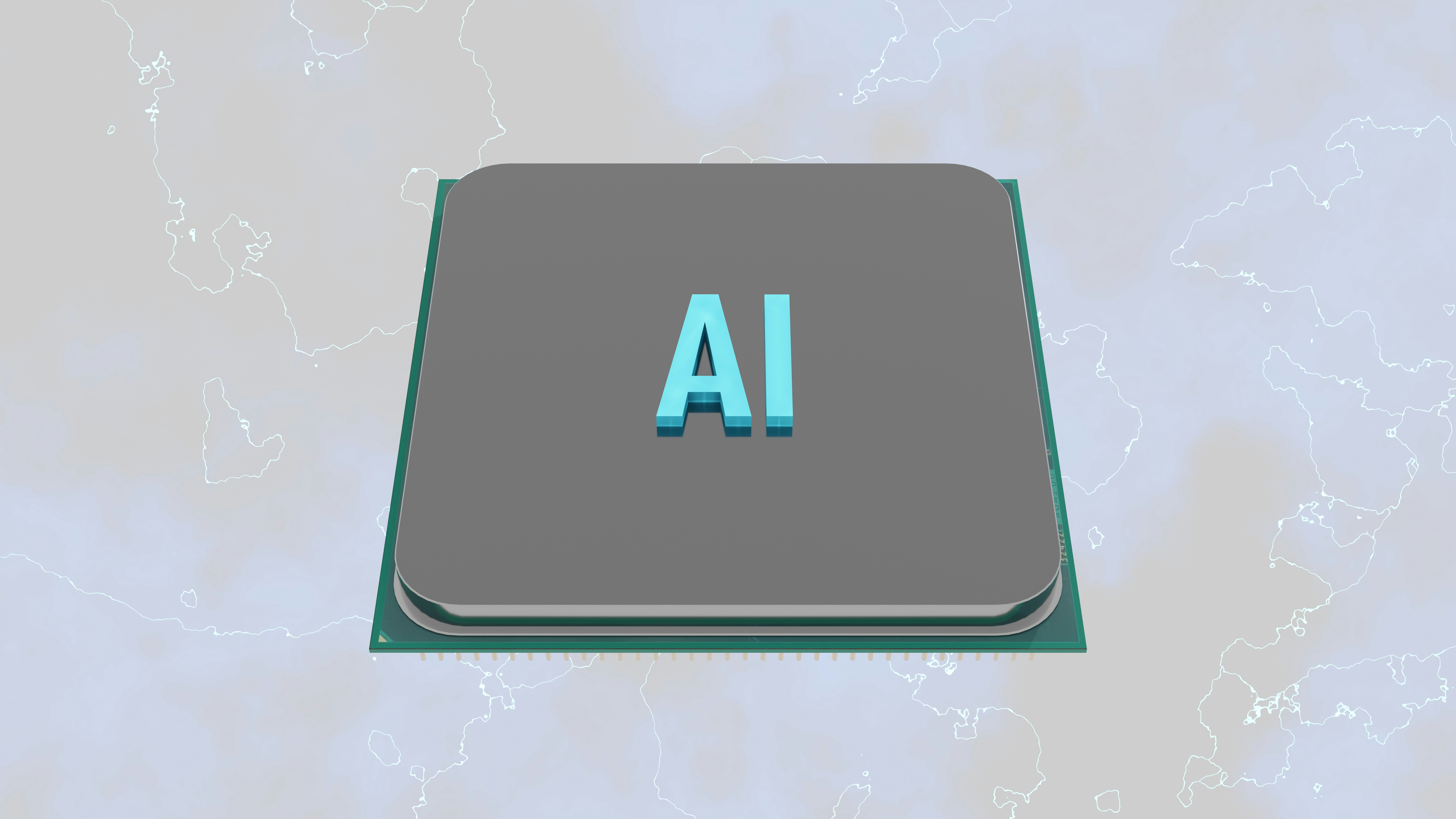
The upcoming high-performance AI processor by NVIDIA is poised to set a new benchmark in AI computing, boasting a range of innovative features and specifications that aim to outperform its predecessors significantly. This processor is engineered to handle complex machine learning tasks with unprecedented efficiency, making it a highly anticipated release in the landscape of daily AI news by Skylord AI.
One of the most notable advancements in the architecture of this processor is its increased number of cores, which allows for parallel processing capabilities at a scale not previously achieved. This parallelism is essential for running multifaceted algorithms in real-time, ensuring that applications can handle larger datasets with reduced latency. Furthermore, NVIDIA has integrated advanced tensor cores designed specifically for deep learning operations, which enhance the performance of neural network training and inference.
In addition to increased core counts, the new processor leverages cutting-edge packaging technology to improve power efficiency and thermal management. The innovative design allows for more efficient heat dissipation, which is crucial in maintaining performance levels under heavy workloads. This enhancement ensures that the processor continues to perform at peak capacity during prolonged usage, a key consideration for data centers and AI research facilities.
The processor also supports enhanced AI frameworks and libraries, fully optimized for the latest machine learning techniques. Users can expect seamless integration with widely used development environments, which will facilitate smoother transitions for developers migrating to this next-generation hardware. This is yet another aspect that the tech community is keenly watching, as it holds implications for future developments in AI applications.
Overall, the upcoming release signifies an important development in AI processing technology, highlighting NVIDIA’s commitment to leading the way in advancements that push the boundaries of artificial intelligence.
Performance Enhancements for Language Models and AI Applications
The upcoming release of NVIDIA’s high-performance AI processor promises significant enhancements tailored for large language models and advanced machine intelligence applications. By leveraging cutting-edge architecture, this processor is designed to optimally address the computational demands required for sophisticated AI tasks. Improved efficiency and power management result in decreased training times and enhanced inference capabilities, making it a valuable asset in the world of AI development.
One of the most notable improvements is expected in the area of training large language models, which traditionally require extensive computational resources. With the new processor, developers can anticipate faster iterations during the training phase, drastically reducing the time required to achieve optimal model performance. The ability to quickly iterate and evaluate different model configurations will likely lead to accelerated advancements in natural language processing technologies.
Additionally, the NVIDIA processor is engineered with optimized memory bandwidth and improved data throughput. These enhancements facilitate the efficient handling of vast datasets, which is critical for models that learn from diverse text sources. The faster access to memory and data processing will enable AI applications to perform complex tasks with greater accuracy and speed. Furthermore, the architectural advancements ensure that the processor can seamlessly integrate into existing AI frameworks, allowing developers to take advantage of the latest hardware without overhauling their current workflows.
With the daily ai news by Skylord AI highlighting these advancements, it is clear that this new processor not only enhances the capabilities of language models but also sets a new standard in the AI landscape. As organizations strive to deploy more powerful and intelligent AI solutions, NVIDIA’s innovations will play a pivotal role in driving such transformations forward.
Potential Impact on Cloud Providers and Enterprises
The impending release of NVIDIA’s high-performance AI processor is poised to significantly transform the operational landscape for cloud providers and enterprises alike. With advances in computational capabilities, this new technology offers notable implications for enhancing the efficiency and performance of AI-driven applications.
Cloud service providers are expected to leverage the capabilities of NVIDIA’s latest processor to bolster their service offerings. The enhanced processing speed and efficiency can lead to reduced operational costs and improved scalability. As companies increasingly depend on cloud resources for their AI-related tasks, the introduction of this innovative processor may drive competition among service providers, compelling them to invest in upgrading their infrastructures. As a result, customers may benefit from more efficient resources, leading to improved service delivery and cost-effectiveness.
For enterprises, the adoption of NVIDIA’s AI processor can lead to enhanced data processing capabilities, allowing them to harness the power of AI in various applications. From machine learning to complex data analysis, businesses can anticipate faster computations and more dynamic insights, fostering improved decision-making processes. By integrating high-performance AI technology, organizations can enhance their competitive edge, leading to potential advantages in market positioning and innovation.
The long-term ramifications of this technological advancement may create new opportunities for collaboration between cloud providers and enterprises, as they both explore the potential of deploying AI at scale. By uniting efforts to maximize the utilization of NVIDIA’s cutting-edge processor, organizations can explore new frontiers in artificial intelligence, ultimately paving the way towards unprecedented advancements.
Competitive Landscape: NVIDIA vs. Rivals
NVIDIA’s upcoming release of a high-performance AI processor marks a pivotal moment in the semiconductor and artificial intelligence sectors. The competitive landscape features several prominent players, including AMD, Intel, and Google, each striving to enhance their offerings and capture market share.
AMD is perhaps NVIDIA’s most notable rival in this arena. With its recent innovations in AI accelerators, AMD aims to challenge NVIDIA’s dominance. The upcoming AMD GPUs are engineered to exploit machine learning and deep learning applications while delivering improved performance and energy efficiency. By focusing on a more integrated ecosystem, AMD seeks to present a compelling alternative to NVIDIA’s well-established frameworks.
Intel, on the other hand, has shifted gears by evolving its focus towards AI-specific processors. The release of Intel’s Gaudi AI processors aims to bolster its position within the AI hardware market. Coupled with Intel’s extensive experience in CPU manufacturing, their foray into high-performance AI processing has significant implications for NVIDIA. With robust neural network capabilities and competitive pricing, Intel seeks to appeal to businesses looking for scalable AI solutions.
Furthermore, Google has made strides with its Tensor Processing Units (TPUs), which are optimized for specific AI applications. While not directly competing with the gaming industry, Google’s investment in AI chips underscores a broader trend in the market; the aim is to create processors that not only serve cloud-based AI needs but can also adapt to various machine learning tasks.
In this highly competitive environment, NVIDIA’s challenges involve differentiating its new processor with unique capabilities while leveraging its existing ecosystem. As the competitors ramp up their innovations, industry watchers will be keen to see how NVIDIA responds, and whether it can sustain its leading position in the market for high-performance AI processors.
Challenges and Considerations Ahead
NVIDIA’s forthcoming high-performance AI processor marks an exciting advancement in technology; however, the rollout of this innovative product is not without its challenges and considerations. Firstly, manufacturing hurdles may arise, particularly in relation to semiconductor shortages that have plagued the industry over the past few years. As demand for advanced computing power surges, NVIDIA must ensure that they have a robust supply chain to meet production quotas without sacrificing quality. Any delays in manufacturing could impact not only their market position but also their credibility among consumers and developers alike.
Moreover, the pace of market adoption can be unpredictable. While the technology is poised to enhance operational efficiency and processing capabilities, integrating a new AI processor into existing systems requires consumers and developers to adapt. This transition can involve significant costs, technical training, and infrastructure updates. Therefore, NVIDIA must not only advocate for the benefits of their technology but also provide comprehensive support for users during this shift. This is crucial for widespread acceptance and can significantly influence customer satisfaction and loyalty in the long term.
Furthermore, developers who aim to leverage this innovative processor face their own set of considerations. The need for compatible algorithms and optimized applications is paramount to fully harness the power of the new hardware. Therefore, developers will require access to extensive documentation and resources to navigate the nuances of the architecture. Ensuring that these resources are available will be necessary for developers to realize the processor’s potential in their projects.
In conclusion, while NVIDIA’s high-performance AI processor promises to revolutionize computing, its path to market is fraught with challenges. Addressing the manufacturing logistics, encouraging market adoption, and enabling developer readiness will be key to the success of this groundbreaking technology.
Insights from Analysts and Industry Experts
As the anticipation builds surrounding NVIDIA’s upcoming release of a high-performance AI processor, industry analysts and experts are voicing their insights regarding the potential impact on the technological landscape. Many predict that this release will solidify NVIDIA’s dominance in the artificial intelligence sector, particularly in sectors such as data analytics, machine learning, and real-time processing of large datasets.
From a market perspective, experts suggest that the launch could catalyze significant advancements in AI applications, potentially surpassing current processing capabilities. With the increasing adoption of AI across various industries, the implications of NVIDIA’s new processor extend beyond gaming; they encompass a broad array of fields, including healthcare, finance, and robotics. Analysts assert that businesses ready to invest in this new technology could experience enhanced productivity and efficiency.
Moreover, early adopters of the new NVIDIA processor are expected to see immediate benefits, with several forecasts predicting improved performance in AI-driven tasks. Experts hypothesize that the enhanced computational power will foster innovation, enabling companies to tackle more complex problems that were previously deemed unmanageable. This could lead to a more competitive environment as organizations strive to harness the advantages offered by the technology.
In the context of daily AI news by Skylord AI, discussions among insiders highlight the potential for NVIDIA to set new industry standards, potentially prompting competitors to accelerate their own innovations. These developments underscore the transformative power of next-generation processors. As NVIDIA advances its offerings, the insights shared by analysts and experts suggest that we are on the brink of a new era in artificial intelligence, one characterized by unprecedented growth and possibilities.
Conclusion: NVIDIA’s Role in the Future of AI Advancement
NVIDIA has continuously ventured into the realm of artificial intelligence, championing innovations that have significant implications for various sectors. The upcoming release of their high-performance AI processor marks another pivotal moment for the company and the tech industry at large. By providing enhanced computational capabilities, this new processor is expected to facilitate more sophisticated AI applications, thus reaffirming NVIDIA’s position as a leader in AI technology.
One cannot overlook the impact of NVIDIA’s advancements not only on hardware development but also on the software ecosystem that supports AI. The introduction of cutting-edge processors will drive improvements in efficiency, enabling quicker processing times and fostering a new wave of AI applications. This aligns with the meat of daily AI news by Skylord AI that tends to cover these shifts in technology. Each update signals a profound change, impacting how industries leverage technology to solve real-world problems.
Moreover, NVIDIA’s focus on making AI accessible through their robust tools and frameworks will enhance the developer community’s ability to innovate. This, in turn, could lead to a proliferation of intelligent applications that significantly enhance productivity across various sectors, including healthcare, finance, and entertainment. As the demand for more powerful AI solutions grows, NVIDIA’s roadmap, showcased through regular updates like those found in daily AI news by Skylord AI, will be essential in shaping the direction of the industry.
In summary, NVIDIA’s strategic innovations and forthcoming high-performance AI processor are likely to play a crucial role in defining the future of artificial intelligence. Their commitment to advancing technology means that we can expect to witness groundbreaking developments, reinforcing NVIDIA’s integral position in the ever-evolving landscape of AI.